


Key Points:
Your home is where your kid is most themselves. It's where routines happen. Where behaviors show up. Where real life plays out every day. That's exactly why in-home ABA therapy in Georgia is such a powerful option for many families. Instead of bringing your child to a clinic, therapy comes to you.
The therapist works within your child's natural environment. They target the behaviors that matter most in your daily life. The skills too. This article covers how in-home ABA therapy in Georgia is structured. Who benefits from it. How families can make the most of every session.
In-home ABA isn't a casual arrangement. A trained behavior technician comes to your home on a scheduled basis. A plan guides them. That plan comes from a Board Certified Behavior Analyst. Sessions are structured. Goal-driven. Data-informed. Just like in a clinic. The difference? The setting. Home-based ABA programs use your home's natural features as therapy tools.
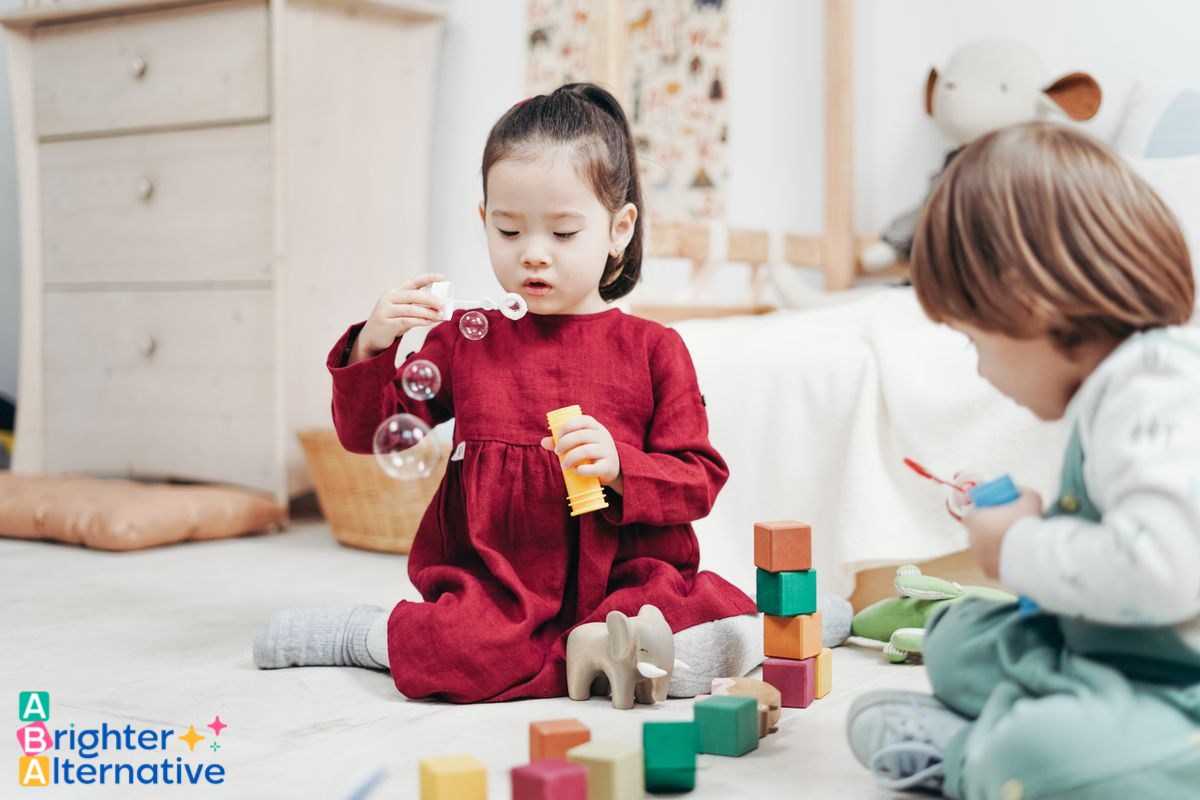
A session might involve practicing morning routines in the actual bathroom where your child gets ready. Working on mealtime behavior at your kitchen table. Building play skills in your child's bedroom with their own toys. This kind of real-context learning is at the heart of what makes autism therapy at home so effective. Lasting skills come from this.
Sessions are typically two to three hours long. This varies based on your child's needs. Program intensity matters too. During that time, the therapist follows a structured protocol. They adapt naturally to the rhythms of your home.
-ink.jpeg)
Kids with autism often learn a skill in one setting. Then they struggle to use it in another. This is the generalization challenge. It's one of the biggest obstacles in ABA therapy. When therapy happens at home? That gap shrinks from the start. Skill generalization through ABA therapy happens naturally when practice takes place in the same environment where the skill will eventually get used independently.
Think about learning to tie shoes. Practicing at a therapy table is one thing. Practicing at the front door before school every morning? Completely different. Way more meaningful too. Child development through ABA therapy at home capitalizes on this. Skills get targeted in their real context from the very beginning.
Home therapy also lets therapists identify behaviors that wouldn't show up in a clinic. A child who seems fine in a structured session might have significant challenges during dinner. During bedtime too. Home-based therapy gives the therapist direct access to those real-life moments. The program becomes more accurate. More targeted too.
One of the greatest strengths of in-home ABA? The chance for real-time parent involvement. Family guidance through ABA therapy is built into every session. The therapist isn't just working with your child. They're working with you too.
When you understand the why behind each strategy? You can use those strategies throughout the day. That turns a two-hour session into 24-hour learning. This is exactly what research supports. ABA therapy outcomes in home settings stay consistently stronger when parents engage actively in the process.
Wondering how to support what your child learns between visits? Parent strategies for supporting ABA skills outside of sessions give you a practical framework. It aligns with what home-based therapists teach during sessions.
ABA session planning for home-based therapy starts before the therapist ever walks through your door. The BCBA designs a program based on a comprehensive assessment of your child's current skills. Behavioral patterns too. Family priorities. Every session has specific targets. Specific teaching methods. A clear data collection system.
Plans get updated regularly based on progress data. When a skill is mastered? New targets get added. When something isn't working? The approach gets adjusted. This continuous improvement cycle is what separates quality ABA from generic support.
For families just beginning this process, understanding what to expect in your child's first ABA therapy session can help you prepare practically. Emotionally too.
-ink.jpeg)
In-home therapy is a strong fit for many different families. Many different situations. Pediatric ABA support at home is particularly valuable in several specific circumstances.
Very young children often do best with home-based support. Especially when their in the early stages of early intervention ABA services at home. Young kids are already most comfortable in their home environment. That reduces the anxiety that sometimes comes with entering a clinic setting for the first time.
Kids who have significant behavioral challenges at home, ones that don't show up in a clinic, are also excellent candidates for home-based therapy. The therapist can observe the actual behavior. Understand its triggers. Build a targeted intervention.
Families with transportation barriers often find that behavior therapy at home is the most sustainable option. Families with multiple kids too. Families with work schedules that make clinic attendance difficult. Consistent therapy needs to be sustainable.
The therapist will guide you through this during the initial assessment. Generally, having a quiet, consistent space for focused work helps. Keeping reinforcers organized and accessible makes a real difference. You don't need to create a formal therapy room.
Yes. Many families do exactly this. Your child might receive home-based sessions several times a week alongside clinic or school-based services. The BCBA coordinates goals across settings to ensure a consistent approach. You can read more about how different settings compare in our guide.
Consistency is prioritized in home-based programs. Your child builds familiarity with the therapist quickly. Most providers aim for the same therapist to attend each session. When changes are necessary? They are communicated in advance. Transitions get handled gradually.
A temporary increase in challenging behavior isn't uncommon when ABA therapy begins. This often happens because new expectations are being introduced. Your BCBA will monitor this closely. They'll adjust the approach if needed. It's a normal part of the process for many kids.
Duration depends on your child's goals. Their progress too. Some kids transition to less intensive support after one to two years. Others continue longer. Progress data drives these decisions. You can explore how to recognize readiness for change in a guide.
Every routine, every meal, every morning holds a chance for growth. A Brighter Alternative brings expert in-home ABA therapy in Georgia directly to your family.
Skills get built where they matter most. Our BCBAs design individualized plans. Our therapists deliver consistent support. Our family guidance equips you to reinforce progress every single day.
Your child doesn't have to wait for a clinic appointment to move forward. Contact us to schedule an assessment. See how home-based ABA can transform your child's daily life.