


Key Points:
School can be one of the hardest environments for a kid with autism. The noise. The transitions. The social demands. Expectations stack up fast. That's where school-based ABA therapy in Georgia makes a real difference.
Instead of waiting until after school to deal with challenges, trained therapists bring support right into the classroom. Behavior specialists, too. Your child gets help right where they need it most. This article covers how school-based ABA therapy in Georgia works.
What it looks like for your child's day. How it connects to the bigger picture of their education. Their development too.
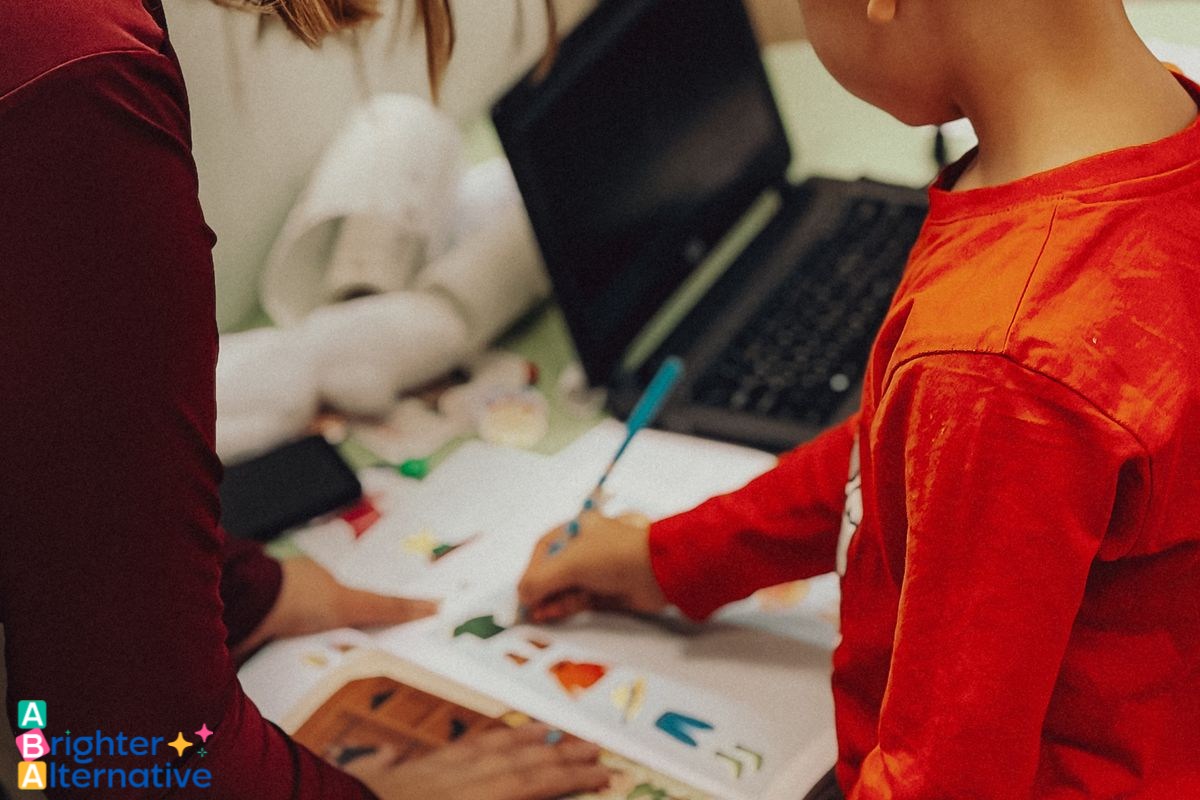
School-based ABA is exactly what it sounds like. A behavior technician or BCBA works directly in your child's school setting. They might work one-on-one with your child during class. Support them during transitions between activities. Help them navigate social situations with peers. This is ABA learning support in the classroom. It gets tailored to your child's specific behavioral needs. Academic ones too.
The school setting introduces a unique layer of complexity. Your child's therapist works alongside teachers. Special educators. School staff. Everyone uses consistent strategies. When the teacher and therapist use the same language? The same cues? The same reinforcement systems? Your child gets a consistent experience throughout the day.
This approach also aligns closely with classroom ABA programs that follow your child's academic schedule. They don't pull your kid out of learning time.
-ink.jpeg)
Does your child have an Individualized Education Program? The IEP is the roadmap for their education. IEP support through ABA therapy means the goals in your child's ABA program are written to align with IEP targets. This creates a unified plan. Therapy and education reinforce each other. They don't work in separate silos.
For example, let's say your child's IEP has a goal around reading comprehension. The ABA therapist might work on increasing on-task behavior. Reducing avoidance during reading time. These are classroom skill development through ABA targets. They directly support academic performance.
Families play an important role here. ABA therapy guidance for schools and families ensures you're part of the conversation during IEP meetings. You get a voice in how therapy and school goals connect.
Strong school-based programs need strong communication. The BCBA overseeing your child's ABA plan should stay in regular contact with the school team. The special education teacher. The school psychologist. Other support staff too. This collaboration is described in detail in resources like how schools and ABA providers can partner for smooth IEP implementation. It outlines what good collaboration looks like in practice.
When communication is clear? Problems get caught early. Let's say a new behavior shows up in school but not at home. The team can address it quickly. If a skill mastered at home isn't transferring to school? The therapist can problem-solve in real time.
Kids with autism often face specific challenges in school. Those are harder to manage without targeted support. They aren't discipline issues. Their behavior patterns that need consistent, evidence-based intervention.
Child behavior therapy in school settings targets things like:
Each of these behaviors has a function. There's a reason it's happening. ABA therapists identify that function through observation.
Through data. Then they build a plan to replace the challenging behavior with a more appropriate one. This is the core of behavior improvement through ABA therapy in school settings.
Starting ABA support early matters. Before challenges become deeply ingrained, your child has the best chance at accessing their education fully. Early intervention ABA services in school settings can shift the trajectory of a kid's academic experience dramatically.
Kids who receive behavior support in early elementary school build habits that follow them for years. They also build coping strategies. They learn to ask for help. To manage frustration. To participate in group settings. These skills compound over time.
Research consistently supports the effectiveness of pediatric ABA interventions in schools when delivered early. Consistently too. The data shows improvements not just in behavior. Also in academic engagement. Peer relationships too.
-ink.jpeg)
Your role as a parent doesn't stop at drop-off. The strategies your child's therapist uses in school can be reinforced at home. Should be, actually. When your child hears the same language at home and school? Experiences the same expectations? Learning speeds up. This is why autism support in school works best when families are looped in.
Ask the therapist to walk you through current targets. Through the strategies being used. Practice them during homework time. During morning routines too. Even small moments of consistency at home reinforce what's being built in school.
Attend IEP meetings prepared. Know what your child is working on. Know what progress looks like. Ask questions. Push for data. The more engaged you are in the process? The more your child benefits.
In most cases, yes. School-based ABA needs coordination with the school. Your outside ABA provider will typically need to communicate with the school team. A release of information will need to be signed. Your BCBA can guide you through this process.
No. School-based ABA from an outside provider works alongside school-provided services. Not instead of them. The goal is to complement what the school already does. Not to duplicate it. Not to replace it.
You have the right to request additional evaluation. Additional services too. Especially if you believe your child needs more support. Document your concerns in writing. Request a meeting with the IEP team. An outside ABA provider can support your case with data.
School-based behavior specialists focus broadly on behavior across the school. An ABA therapist from an outside provider works specifically on your child's individualized goals. They use ABA methodology. They report back to a BCBA who adjusts the plan regularly.
Depends on your insurance plan. Also depends on the specific school arrangement. Some plans cover ABA services wherever they get delivered. Schools included. Check with your insurance provider. Ask your ABA clinic to help with authorization.
School should be a place where your child grows. Not just gets through the day. A Brighter Alternative delivers school-based ABA therapy in Georgia that works directly alongside your child's education team. Every goal aligns with what matters most for your child's learning. Their independence too.
You don't have to navigate the school system alone. Contact us to learn how our team can support your child in the classroom. We help you advocate for the services they deserve.